
Structural Repair
for Concrete Structures
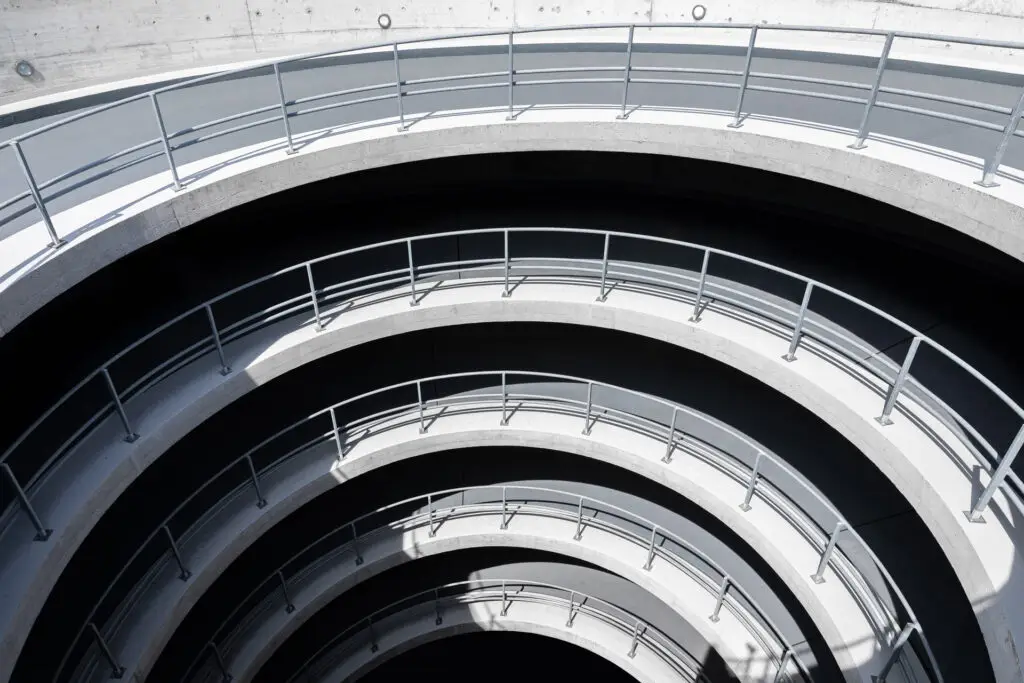
Responsibility meets precision.
Concrete structures are subjected to high stresses on a daily basis. Moisture, frost, de-icing salts, chemical exposure, and mechanical stress cause damage to the concrete and reinforcement over the years. Without targeted structural repair, load-bearing capacity, serviceability, and durability can be significantly compromised.
Wiedemann has specialized in professional structural repair since 1947. The goal is to permanently secure existing structures, extend their service life, and ensure long-term value retention.
Our Services in Building Restoration

Why building restoration
is essential
Damage to concrete structures often develops gradually and goes unnoticed for a long time. Over time, cracks, spalling, and corrosion of the reinforcing steel compromise a structure’s load-bearing capacity and safety. If action is not taken in a timely manner, minor areas of damage can lead to extensive and costly restoration work.
Professional structural repair restores structural stability, protects the building fabric, and significantly extends the structure’s service life. At the same time, it prevents secondary damage caused by moisture ingress and leaks. Early repair measures are therefore not only technically sound but also significantly more cost-effective than a later complete renovation or new construction.


Applications in building restoration
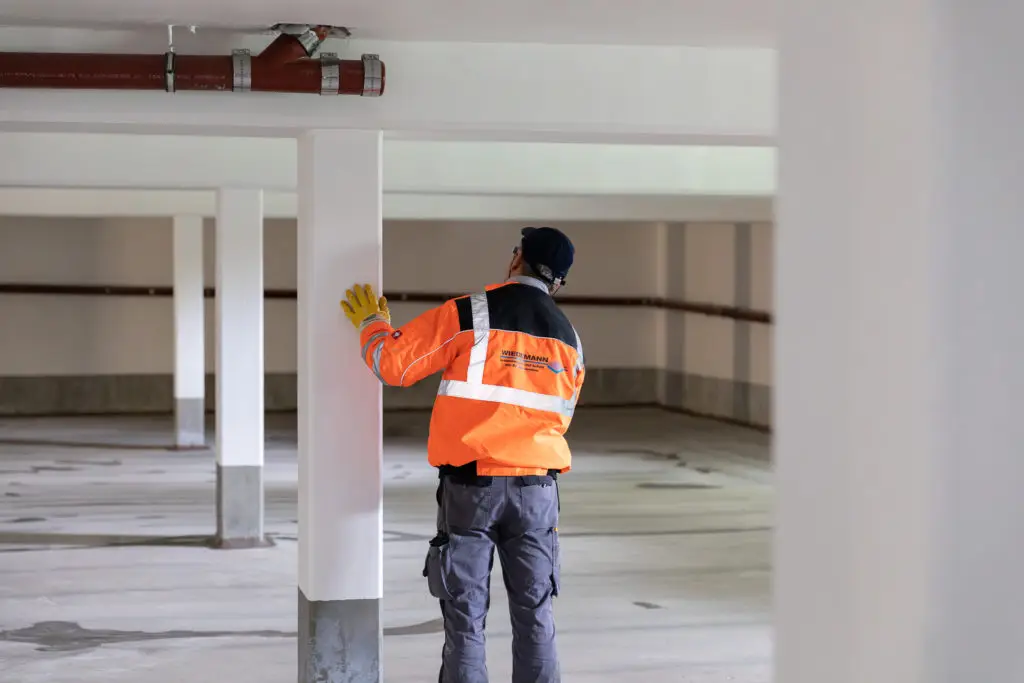
Structural repair is used for concrete structures that are exposed to high mechanical and environmental stresses.
These include:
- Bridges and transportation structures
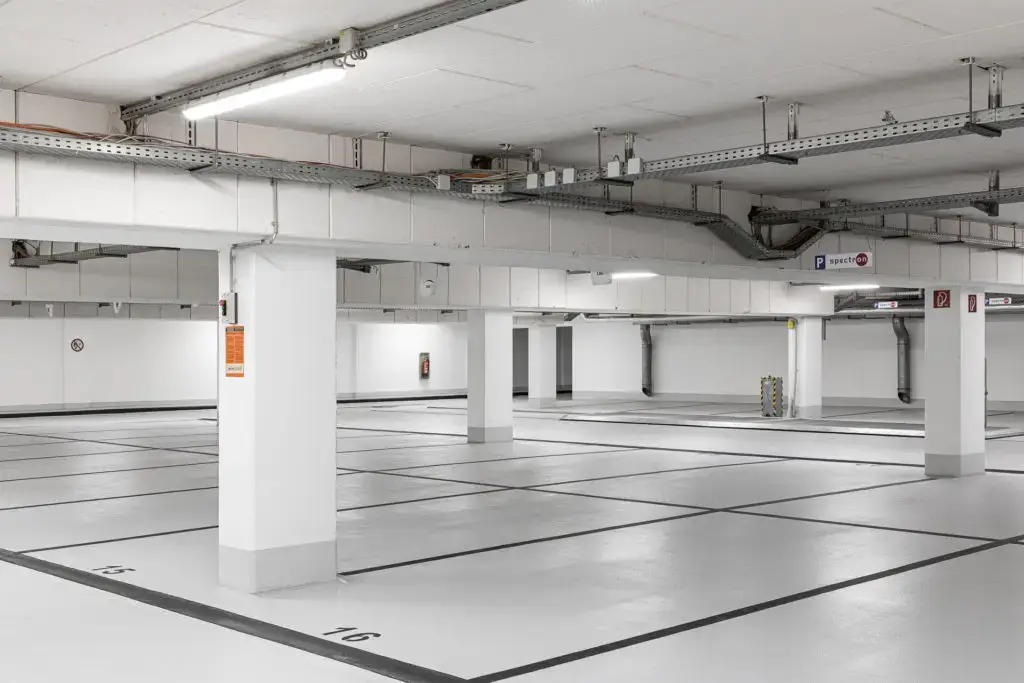
- Parking garages and parking decks
- Industrial buildings and production facilities
- Buildings
- Public buildings
Structural preservation & structural reinforcement
- Concrete restoration: Selective replacement of chloride-contaminated or carbonated concrete to ensure the long-term integrity of the structure.
- Structural retrofitting: Retrofitting of load-bearing components using CFRP strips, CFRP fabric, or steel plates, which are bonded in a force-fit manner using high-performance epoxy resin.
- Crack Injections: Professional pressure injections using special resins or cement slurries to permanently seal cracks and restore structural integrity.
Structural reinforcement &
Fire-retardant treatment
- Cross-sectional enlargement: The targeted application of additional concrete or sprayed mortar to significantly increase the structural load-bearing capacity of your structural elements.
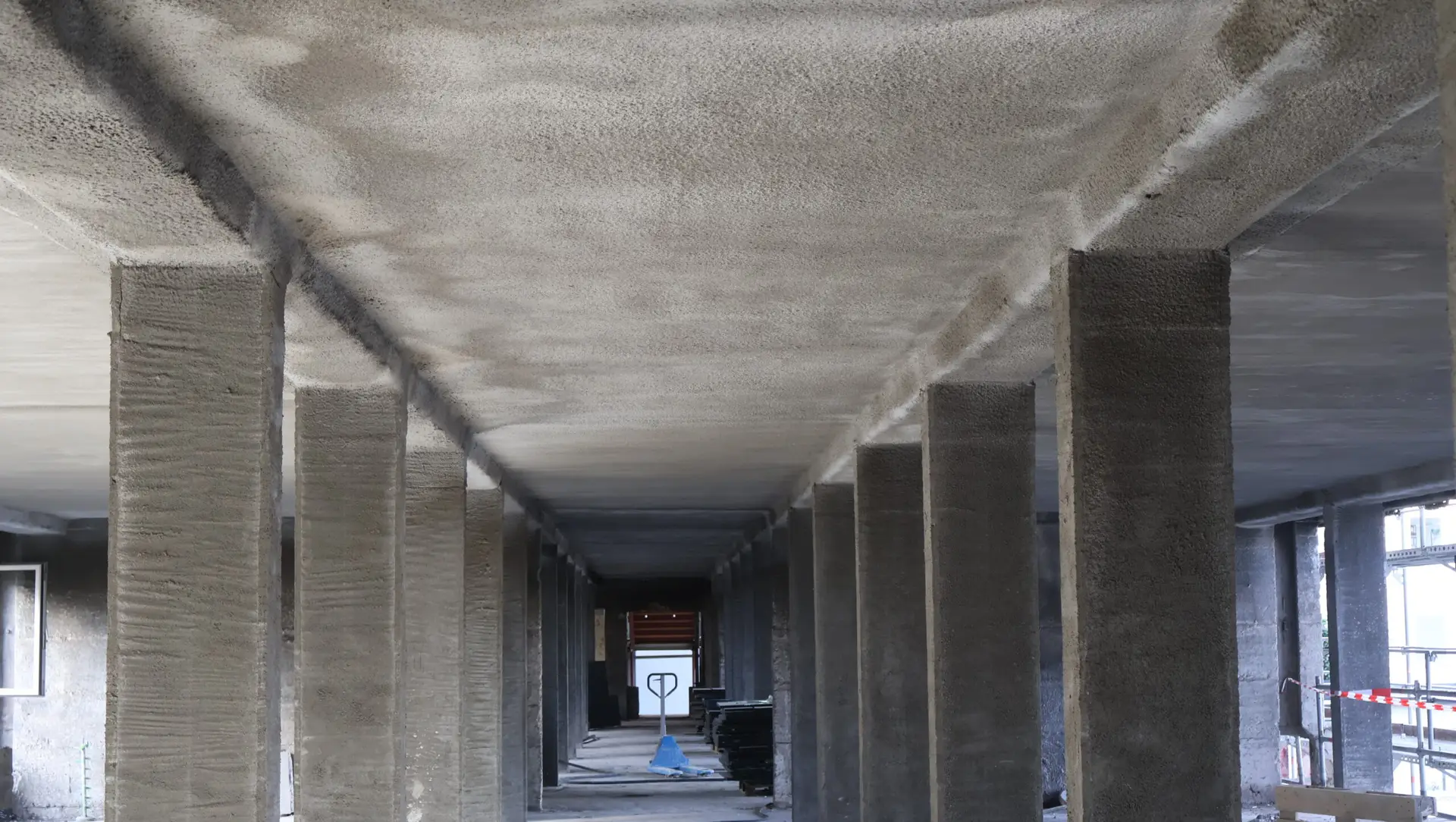
- Fire-retardant retrofitting: Professional application of certified sprayed mortar systems to ensure compliance with standards and protect the building structure in the event of a fire.
- Large-scale repair: Efficient restoration and reinforcement of large concrete structures using state-of-the-art spraying techniques for maximum durability.
Functional Surface Protection & Floor Coating
- Heavy-duty floor coatings: Professional application of certified systems (OS 8, OS 11a/b, OS 10/14) – available with either crack-bridging properties or extreme wear resistance achieved through the incorporation of hard grains.
- Preventive wall and surface protection: Comprehensive protection through hydrophobic treatment and coatings with enhanced impermeability to ensure the long-term durability of vertical concrete structures.
- Certified Protection Systems: Professional application of specialized surface coatings to ensure the long-term preservation of the value of your parking garages, underground parking facilities, and industrial spaces.
Integral Building Waterproofing &
WHG Protection
- Liquid-applied and hybrid waterproofing: High-quality waterproofing using PMMA (polymethyl methacrylate), thick bituminous coatings, or waterproofing slurries to provide seamless and long-lasting protection for the building structure.
- WHG-compliant systems: Application of certified coatings and micro-reinforced special concretes in accordance with the Water Resources Act (WHG) to ensure the highest safety standards and durability in water protection.
- Specialized injection techniques: Targeted repair of leaks using state-of-the-art acrylic gel injections, crack grouting, and the application of crack bandages to ensure long-term structural stability.
Active reinforcement protection & cathodic corrosion protection (CCP)
- Electrochemical protection: Precise application of zinc coatings as anodes to prevent pitting corrosion—a highly effective method for protecting reinforcing bars, even under high chloride exposure.
- System-wide wiring: Professional installation of electrical wiring, as well as machine- or manual-layer application, to ensure seamless functionality of the KKS system.
- Sustainable structural preservation: Maintaining the value of infrastructure structures such as parking garages or bridges without the need for large-scale concrete replacement, which shortens renovation time and preserves the building fabric.
Long term corrosion protection & value retention
- Certified coating systems: Application of high-quality corrosion protection systems for all corrosion categories to provide long-lasting protection against atmospheric exposure.
- Proper surface preparation: Thorough cleaning and pretreatment of steel surfaces to ensure optimal adhesion and maximum service life of the coating system.
- Strategic structural preservation: Preventive maintenance and professional coating of load-bearing steel components to prevent rust damage and ensure long-term structural integrity.
A look at our projects: Building restoration

Let's talk about your building.
We assess the situation and develop a suitable solution.
Frequently asked questions about building repairs
Repairs are necessary if cracks, spalling, corrosion of the reinforcement, or leaks occur. Age-related damage or changes in usage requirements also necessitate corrective action.
Maintenance involves the regular upkeep and inspection of a structure. Structural repair addresses existing damage and restores the structure’s original function and safety.
Whenever existing building components no longer meet current legal requirements for fire resistance (e.g., during renovation or a change of use) to protect people and property.
Through professional concrete repair, the restoration of the alkaline protective layer, and the application of special surface protection systems that prevent the penetration of moisture and contaminants.
Yes. Thanks to precise construction scheduling and modern, low-emission methods, we can minimize disruptions to such an extent that operations or use can usually continue without restriction.